Valerian
Other plantsThe Root of Rest
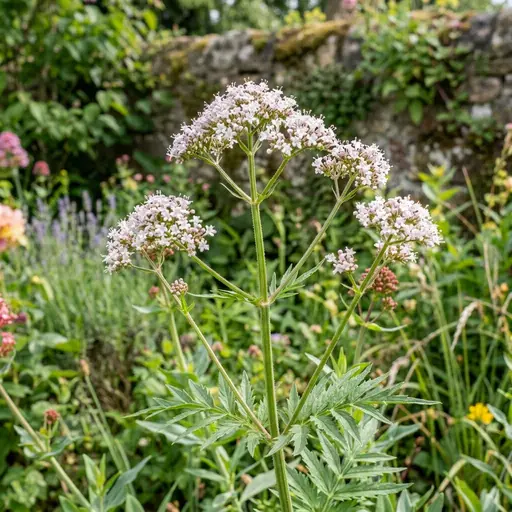
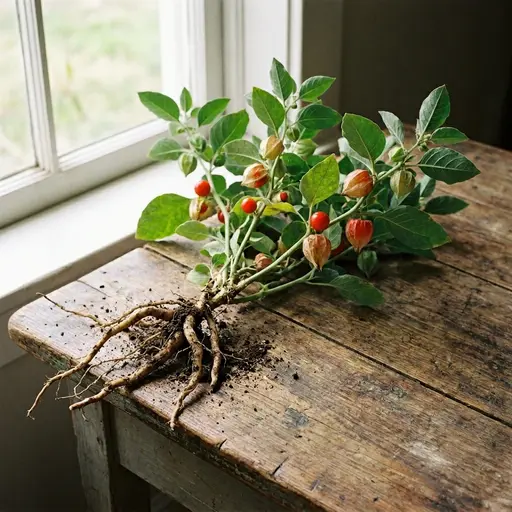
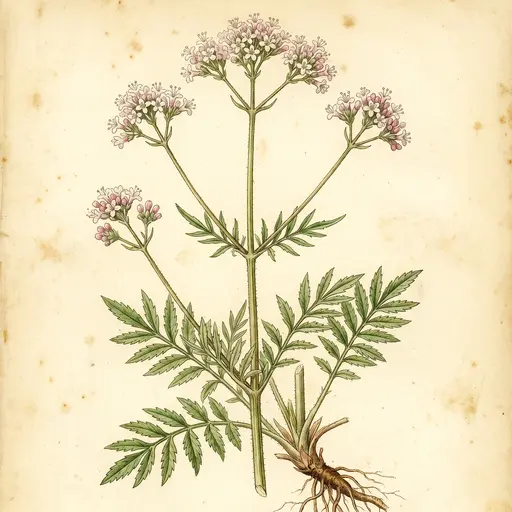
Valerian looks delicate when it blooms: tall stems, divided leaves, and pale pink or white clusters that hover above damp meadows and ditch edges. Yet the herbalist is mostly interested in what hides underground.
Its root and rhizome release a powerful, earthy, almost animal scent that leaves few people indifferent. In European traditions, this underground part has long been associated with calm, easing nervousness, and evening preparations. Valerian is not a casual herb: it invites rest, but it also asks us to respect the drowsiness it may cause.
Medicinal properties
Root and rhizome
Traditionally used to help promote sleep and accompany mild difficulty falling asleep.
Root and rhizome
Traditionally used as gentle calmatives to help relieve restlessness, nervousness, and mild symptoms of mental stress.
Root extracts
Some alcoholic dry extracts of valerian root are recognized in European herbal medicine for mild nervous tension and sleep disorders. A simple tea belongs more to traditional use.
Recipe
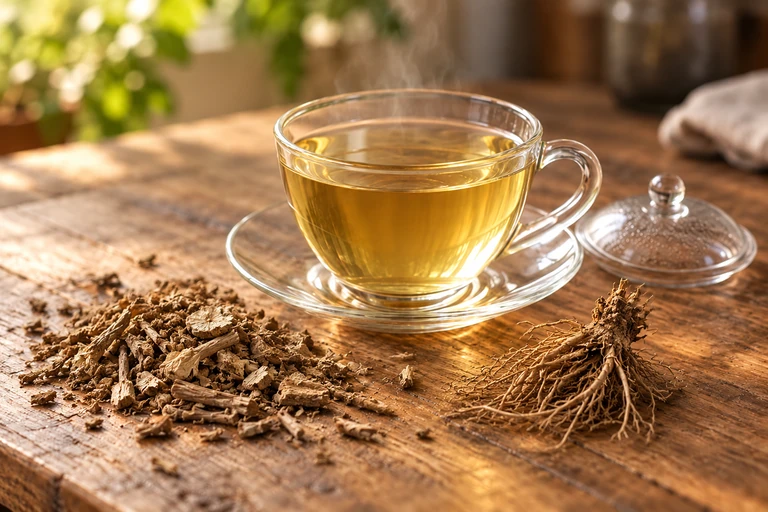
Valerian Root Infusion
- Plant part
- root and rhizome
- Duration
- 10 to 15 minutes
Ingredients
- 1 to 2 g dried cut valerian root and rhizome
- 250 ml water
- 1 tsp honey, optional
Preparation
- Place the dried valerian in a cup or small teapot.
- Pour simmering water over the herb.
- Cover immediately: the scent is strong and some compounds are volatile.
- Steep for 10 to 15 minutes.
- Strain carefully, then drink the warm infusion, preferably 30 to 60 minutes before bedtime.
Sources and references
- Grieve, M. A Modern Herbal. Valerian, 1931. European historical uses of Valeriana officinalis root, its strong odour, underground root-stock and rhizome, damp habitats, divided leaves and pale flowers; historical calming uses and root tea.
- European Medicines Agency, HMPC. European Union herbal monograph on Valeriana officinalis L., radix. 2 February 2016. EMA/HMPC/150848/2015, Corr. 1. Traditional preparations: relief of mild symptoms of mental stress and to aid sleep. Specific ethanolic dry extracts (DER 3–7.4:1; extraction solvent ethanol 40–70% V/V): well-established use for mild nervous tension and sleep disorders. Includes effects on driving and use of machinery. Medicinal-effects reference only.