Sage
Other plantsThe Sage of the Andes
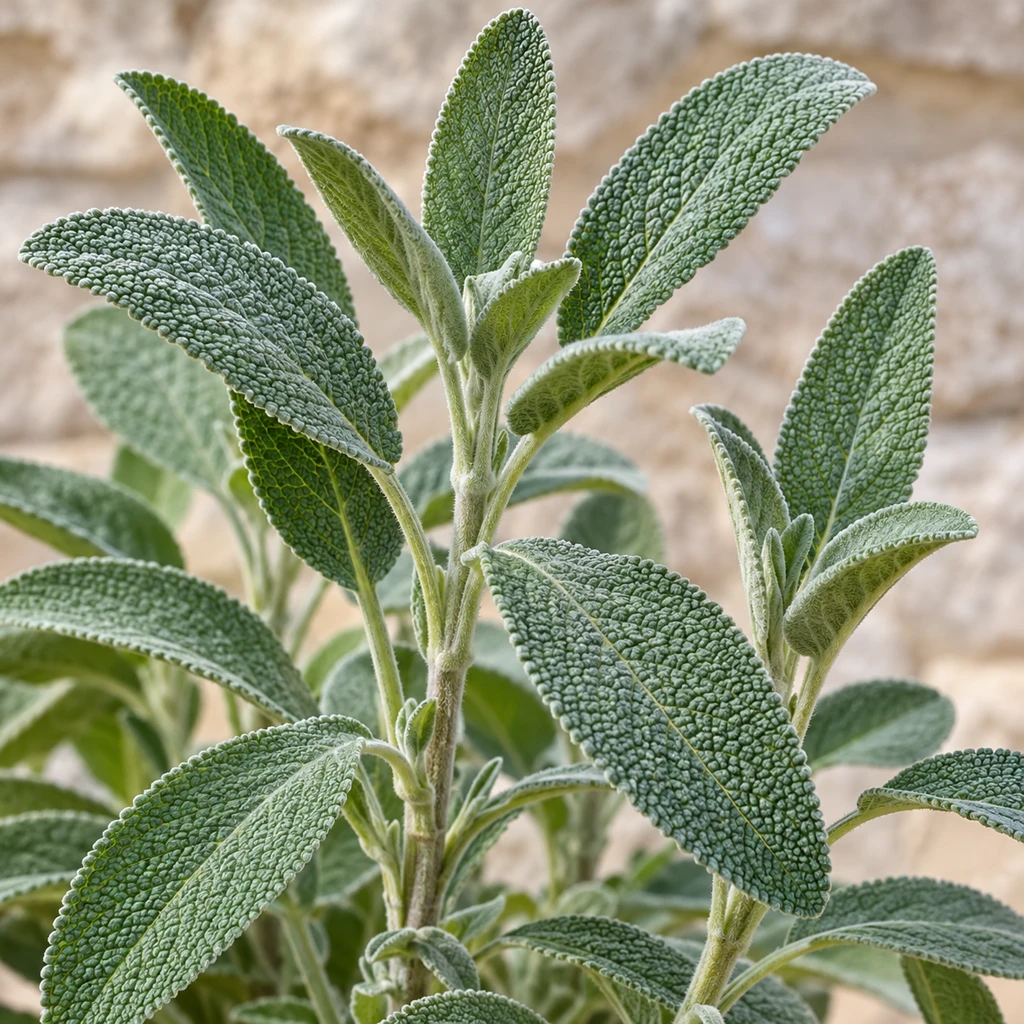
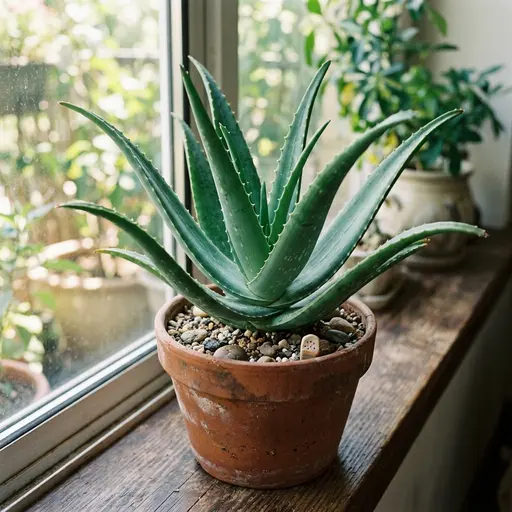
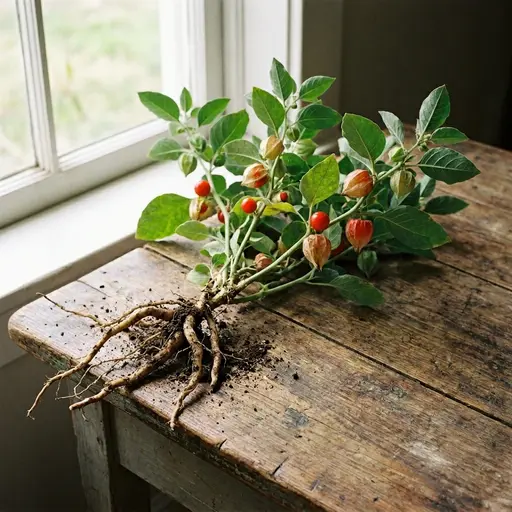
In the Andes, sage was never just a kitchen herb. Quechua peoples cultivated several wild species to care for respiratory discomfort, soothe pain, and accompany offerings to Pachamama. A healing plant as much as a ceremonial one, it crossed everyday life and the sacred without distinction.
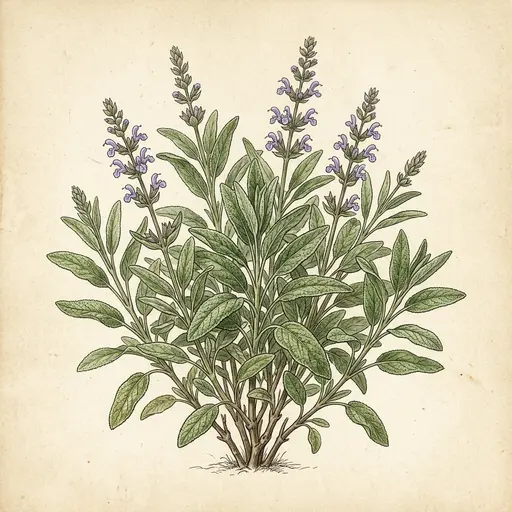
Medicinal properties
Leaves
Traditionally used as a gargle to soothe an irritated throat and relieve coughing, and also as a mouth rinse to care for the gums and calm minor inflammations such as canker sores.
Recipe
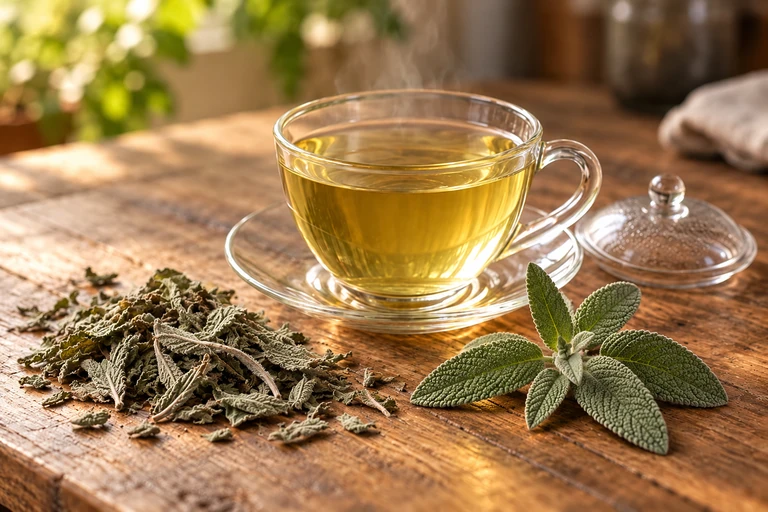
Sage Infusion
- Plant part
- leaves
- Duration
- 10 minutes
Ingredients
- 2 g dried sage leaves
- 150 ml water
Preparation
- Place the sage leaves in a cup.
- Pour simmering water over the leaves.
- Cover and steep for 10 minutes.
- Strain and let cool slightly before drinking or using as a gargle.
Sources and references
- Franquemont, Christine; Plowman, Timothy; Franquemont, Edward; King, Steven R.; Niezgoda, Christine; Davis, Wade; Sperling, Calvin R. The Ethnobotany of Chinchero, an Andean Community in Southern Peru. Fieldiana: Botany, new series, no. 24, 30 March 1990, p. 78. Field study of Quechua communities: Salvia dombeyi, called nuqchu, is cultivated and used to adorn the figure of Christ during Holy Week processions; Salvia oppositiflora flowers are also gathered for religious processions. This passage documents cultivation of S. dombeyi, but not cultivation of several species or offerings to Pachamama.
- Diaz, Daniel. Humo para ahuyentar las malas ondas, agradecimientos y pedidos a la Pacha: Salta se prepara para el 1° de agosto. El Tribuno, 30 July 2026. Firsthand reporting on contemporary Salta rituals involving sage and Pachamama; does not identify the Salvia species or establish historical Quechua cultivation.
- European Medicines Agency, HMPC. Assessment report on Salvia officinalis L., folium and Salvia officinalis L., aetheroleum, revision 1. 20 September 2016. EMA/HMPC/150801/2015. Sage leaf: traditional mouth and throat uses, gargles and mouthwashes for pharyngitis, stomatitis and gingivitis. Section 2.2 records historical use for cough and hoarseness; cough is not an adopted EU monograph indication.