Lemon Balm
Other plantsThe Bee Plant
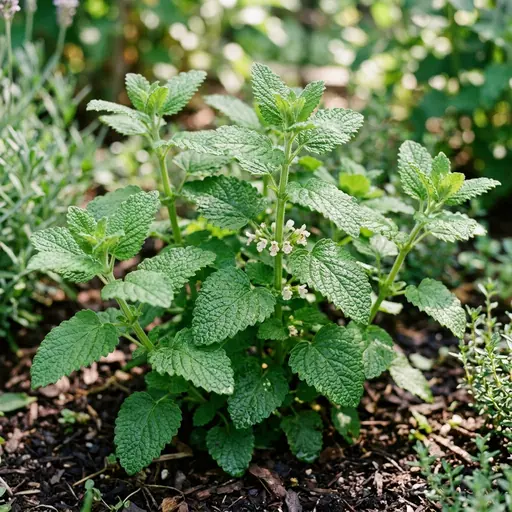
Long before it was known in English as lemon balm, this plant carried the memory of bees in its botanical name. Melissa officinalis comes from the Greek melissa, meaning honeybee. In Antiquity, this fragrant herb was associated with hives: its lemony, honey-like scent was believed to attract bees and encourage swarms to stay near the garden.
In Ephesus, where the great temple of Artemis stood among the wonders of the ancient world, the bee was also a sacred symbol of the goddess. Between hives, gardens, and ancient sanctuaries, lemon balm kept a gentle and luminous image: a plant that gathers, soothes, and draws life close.
Medicinal properties
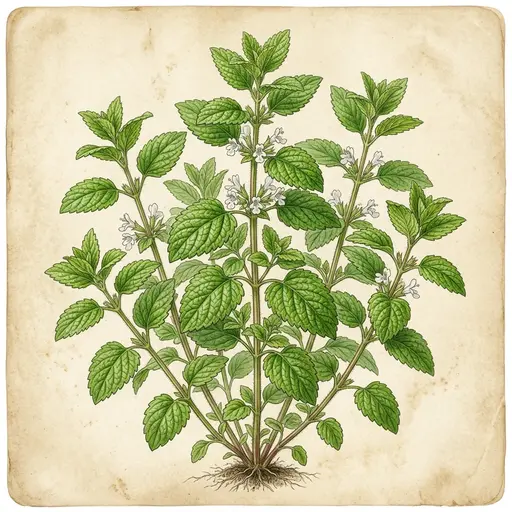
Leaves
Traditionally used to promote calm, ease mild nervousness, and support rest, especially as an evening infusion.
Recipe
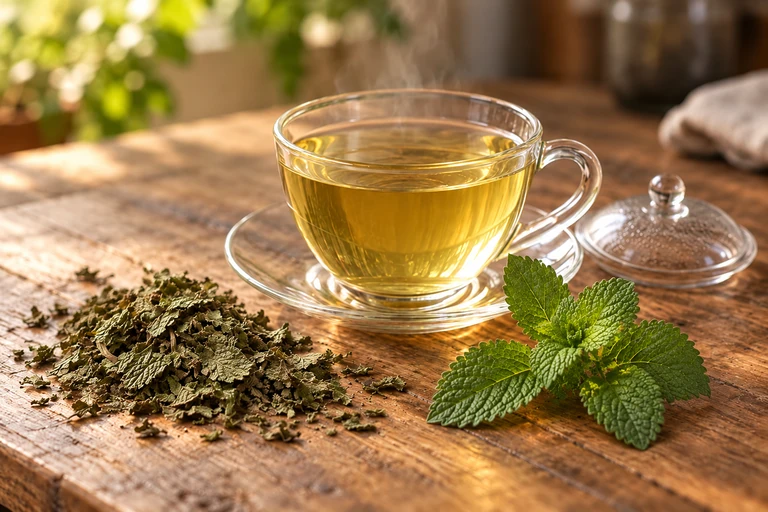
Lemon Balm Infusion
- Plant part
- leaves
- Duration
- 10 minutes
Ingredients
- 2 g dried lemon balm leaves
- 250 ml water
Preparation
- Place the leaves in a cup.
- Pour simmering water over the leaves.
- Cover and steep for 10 minutes.
- Strain before drinking.
Sources and references
- Morrison, Melissa. History of Lemon Balm. Herbal Legacy, The Benefits of the Use of Lemon Balm in Herbal Preparations. Greek bee-name, association with ancient beekeeping, swarms, Ephesus and Artemis; historical sources include W. M. Ramsay and Hilda M. Ransome.
- German Commission E. Lemon Balm (Melissae folium). Published 5 December 1984; revised 13 March 1990. Melissa officinalis leaf: nervous sleeping disorders and sedative action. English monograph transcription.